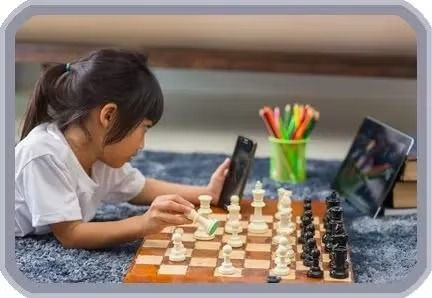
Chess is more than a board game. It is an activity that encourages logical thinking, patience, concentration, and thoughtful decision-making. For beginners, learning chess can seem challenging at first because every piece moves differently, and each position presents several possible choices. However, with structured lessons and regular practice, anyone can gradually understand the game and develop confidence.
Starting with the right learning approach makes a significant difference. Instead of trying to memorise every possible move, new players should first understand the rules, basic strategies, and purpose behind each decision. A well-planned chess course for beginners can introduce these concepts step by step, making the learning process easier to follow.
Whether someone wants to enjoy casual games with friends or eventually participate in competitions, building a strong foundation is essential. The journey becomes more rewarding when learners have clear guidance, practical exercises, and opportunities to apply their knowledge.
Understand the Board and the Pieces
The first step in learning chess is becoming familiar with the board. It consists of 64 squares arranged in eight rows and eight columns, with alternating light and dark colours. Each player begins with 16 pieces, including one king, one queen, two rooks, two bishops, two knights, and eight pawns.
Every piece follows its own movement pattern. Rooks move horizontally and vertically, bishops travel diagonally, and knights move in an L-shaped pattern. The queen combines the movement of a rook and bishop, while the king moves one square in any direction. Pawns generally move forward but capture diagonally.
Understanding these movements helps beginners recognise possible attacks, protect valuable pieces, and identify opportunities. Learners should practise moving each piece separately before attempting complete games.
Learn the Main Objective of Chess
The primary objective is to checkmate the opponent's king. Checkmate occurs when the king is under attack and there is no legal move that can remove the threat.
Beginners should understand the difference between check, checkmate, and stalemate. A check means the king is threatened and must be protected. Checkmate ends the game, while stalemate occurs when a player has no legal move but their king is not in check, resulting in a draw.
These rules form the foundation of meaningful gameplay. Once learners understand them, they can begin exploring strategies that help them create threats while protecting their own king.
Develop Good Opening Habits
The opening is the first stage of a chess game. Beginners should focus on a few important principles instead of memorising complicated sequences.
First, try to control the centre of the board. Central squares allow pieces to influence more areas and create greater movement opportunities. Second, develop knights and bishops early so they can participate in the game. Third, protect the king, often through castling when the position allows it.
Avoid moving the same piece repeatedly without a clear reason. Also, resist bringing the queen into the game too early, as it may become a target for opposing pieces.
A structured chess course for beginners can explain these principles through examples and guided exercises. Understanding why an opening move is useful is more valuable than simply remembering a sequence.
Recognise Simple Tactical Opportunities
Tactics are short combinations that can help players gain an advantage. Beginners can start by learning a few common patterns.
A fork occurs when one piece attacks two or more opposing pieces simultaneously. A pin restricts an opponent's piece because moving it would expose a more valuable piece behind it. A skewer attacks a valuable piece and forces it to move, revealing another target.
Another useful concept is a discovered attack. This happens when moving one piece reveals an attack from another piece behind it.
Solving simple puzzles helps learners recognise these patterns during actual games. It also encourages them to examine the board carefully before making a move. Rather than playing immediately, beginners should ask whether their opponent has a threat and whether their intended move leaves anything unprotected.
Improve Through Regular Practice
Learning chess requires consistency. Occasional games may provide entertainment, but regular practice helps players understand patterns and remember important principles.
Beginners can create a manageable weekly routine that includes learning one concept, solving a few puzzles, and playing practice games. After each match, they should review important moments and identify mistakes.
It is useful to ask questions such as:
- Did I leave a piece unprotected?
- Did I notice my opponent's threats?
- Did I develop my pieces effectively?
- Could I have chosen a safer or stronger move?
- Did I protect my king?
These questions turn mistakes into learning opportunities. Players should avoid becoming discouraged by losses because every game offers valuable experience.
Discover the Benefits of Online Chess Lessons
Online learning gives beginners convenient access to structured instruction. Learners can study from home, revisit difficult topics, and practise according to their schedules.
When exploring chess lessons online for beginners, it is important to look for clear explanations, organised lessons, practical activities, and suitable learning progression. Beginners benefit from instruction that introduces basic concepts before moving towards more complicated strategies.
Interactive exercises can make lessons more engaging. They also allow learners to test their understanding instead of passively watching demonstrations. Feedback can help identify areas that need additional practice.
Another advantage is flexibility. Students can balance chess learning with schoolwork and other responsibilities while continuing to develop their skills.
Build Confidence Through Game Analysis
Reviewing games is an important part of improvement. Beginners should not focus only on whether they won or lost. Instead, they should examine the decisions that influenced the result.
For example, a player may lose a rook because they overlooked an opponent's attack. Recognising this mistake can encourage better board awareness in future games.
Similarly, a beginner may discover that developing pieces early creates stronger positions. Repeating useful habits helps build confidence and improves decision-making over time.
A good chess course should encourage learners to understand their mistakes and apply lessons during future matches. Guided analysis can make this process easier by explaining alternative moves and their possible consequences.
Make Chess a Lifelong Learning Experience
Chess offers new challenges at every stage of development. Beginners gradually move from learning piece movements to understanding tactics, planning exchanges, and evaluating complicated positions.
The most effective learning journey combines structured instruction, independent practice, and regular reflection. Choosing the right chess lessons online for beginners can help learners develop at a comfortable pace while building skills that support continued progress.
Consistency matters more than rushing through lessons. Small improvements in concentration, calculation, and planning can make a noticeable difference over time.
Conclusion
Learning chess becomes easier when beginners follow a clear path and practise consistently. Understanding piece movements, recognising tactical patterns, and reviewing games can create a strong foundation for future development. A suitable chess course can make this process organised and enjoyable. Chessbrainz supports learners as they explore the game, strengthen their understanding, and develop confidence through structured chess education.