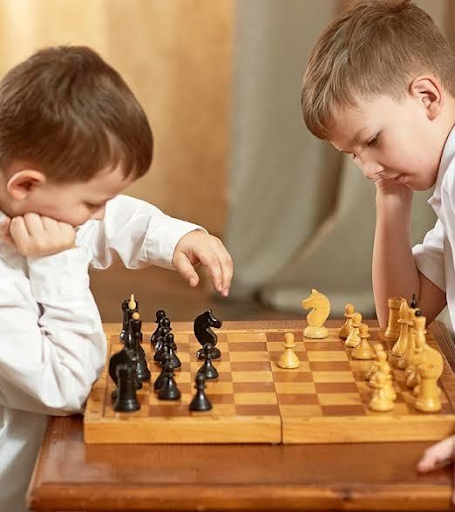
A child who enjoys moving chess pieces may not immediately understand why one move is stronger than another. They might capture an opponent's piece without noticing that their own queen is under attack. These small moments are where proper instruction makes a difference. Finding suitable chess coaching near me can help parents introduce children to a learning environment where curiosity develops into strategic thinking. With the right combination of instruction, practice, and game analysis, young players can gradually understand the decisions that make chess both challenging and rewarding.
1. The Difference Between Playing And Learning Chess
Playing frequently does not always lead to noticeable improvement. Children may repeat familiar moves, rely on simple attacks, or make the same mistakes across several games. Structured instruction helps them understand what happens on the board rather than simply reacting to their opponent.
A coach introduces concepts in a logical sequence, explaining how individual pieces work together and how a player's decisions influence the position. Children learn to recognise threats, protect valuable pieces, and identify opportunities before making a move.
This distinction is important because chess improvement depends on understanding patterns and applying them in different situations. Regular games become more productive when children know what to observe and which ideas to practise.
2. Giving Beginners A Practical Starting Point
A beginner does not need complicated opening theory or advanced combinations during the first few lessons. The initial focus should be on understanding the board, learning legal moves, and recognising basic game situations.
Children should become comfortable with concepts such as check, checkmate, castling, stalemate, and piece value. Once these rules become familiar, instructors can introduce simple tactical ideas, including forks, pins, and discovered attacks.
Using small examples makes these concepts easier to understand. For instance, a coach can demonstrate how one knight moves and attacks two valuable pieces simultaneously. The child can then solve similar positions independently.
3. Making Online Chess Education More Interactive
Digital learning has changed how children access chess instruction. An online chess course for kids can combine live demonstrations, interactive chessboards, practice assignments, and guided gameplay within a convenient learning environment.
Students can observe a position as an instructor explains possible moves. They can also try different choices and immediately see how those decisions affect the board.
The quality of the learning experience depends on active involvement. Children should have opportunities to answer questions, solve positions, play games, and explain their reasoning. Simply watching demonstrations may introduce new information, but participation helps turn that information into practical knowledge. Parents should also check whether the course offers suitable lesson durations and a clear progression between topics.
4. Making Game Analysis Part Of Regular Training
A finished game can reveal patterns that are difficult to notice while playing. A child might repeatedly leave pieces undefended, overlook simple checks, or struggle to convert an advantage into a winning position.
Reviewing these moments with an instructor helps identify the reasons behind such decisions. The aim should not be to criticise every mistake but to understand what the player could have considered differently.
Children can also revisit important positions and attempt to find better moves without immediately receiving the answer. This encourages independent calculation and reinforces the lessons from the game. Over time, reviewing previous matches can help learners recognise recurring weaknesses and measure their development.
5. Balancing Chess Practice With Everyday Activities
Chess should complement a child's routine rather than compete with schoolwork, outdoor activities, and rest. A realistic practice schedule is more sustainable than expecting long hours of study every day.
Short sessions involving tactical puzzles, basic endgame exercises, or a review of an earlier match can reinforce classroom learning. Enrolling in online chess course for kids can also provide structured guidance while helping children practise at a comfortable pace.
Parents can encourage children to practise regularly while allowing them to enjoy the game without constant performance pressure. Friendly matches with family members can also provide opportunities to apply newly learned ideas. The objective is to develop a lasting interest in chess while maintaining a healthy balance between different activities.
6. Selecting A Coaching Programme With Clear Progression
Choosing a suitable coaching programme requires attention to more than its advertised curriculum. Parents should understand who teaches the lessons, how students are grouped, and how progress is evaluated.
Instructor experience, class size, teaching methods, feedback arrangements, and opportunities for competitive play can all influence the learning experience.
It is also useful to understand whether the programme supports different playing levels. A child who has mastered basic tactics should have access to more challenging material instead of repeating introductory exercises. Trial sessions can help families observe how instructors communicate, involve students, and explain difficult positions. A suitable programme should offer clear learning goals while allowing children to progress at a comfortable pace.
7. Developing Confidence Beyond The Chessboard
Chess provides repeated opportunities to make decisions, experience unexpected outcomes, and reconsider earlier choices. These experiences can encourage children to approach challenges with patience and greater attention.
A difficult game teaches them that one mistake does not determine the entire outcome. A successful strategy shows the value of planning, while an unfamiliar position encourages them to explore different possibilities.
These lessons can support habits such as careful observation, logical reasoning, and persistence. However, such development takes time and depends on consistent practice, supportive instruction, and the child's willingness to learn.
Conclusion
A child's progress in chess depends on more than the number of games played. Clear instruction, practical challenges, thoughtful analysis, and regular practice help young learners understand the game at a deeper level. Finding suitable chess coaching near me can also give children access to structured lessons and experienced guidance. As their skills develop, they learn to recognise patterns, evaluate different possibilities, and approach difficult positions with greater confidence. Over time, these lessons can turn a simple childhood interest into a rewarding skill that continues to challenge and inspire them. Parents exploring structured learning opportunities can consider Chessbrainz for online chess coaching that introduces children to different aspects of the game. With the right learning environment, a simple interest in chess can develop into a rewarding pursuit of strategy, concentration, and independent thinking.