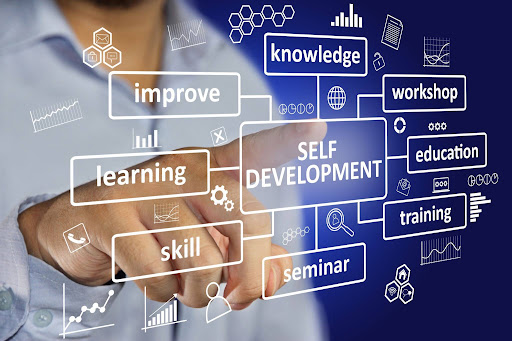
The job market today moves faster than ever before. Skills that guaranteed a stable income ten years ago are becoming automated, outsourced, or completely obsolete. Between rapid advances in software technology and shifting global markets, the idea of picking a single career path at twenty and riding it smoothly until retirement is pretty much dead.
While that reality sounds intimidating at first glance, it also creates an incredible opportunity. You do not need to go back to college for four years to keep your career safe. Instead, focusing on high adaptability and mastering specific evergreen abilities can make you irreplaceable regardless of how your industry changes. Here are the top skills you should focus on to keep yourself valuable and future-proof.
Artificial Intelligence Literacy and Data Fluency
You do not need a computer science degree or know how to write complex algorithms from scratch to benefit from the ongoing tech transformation. However, ignoring digital automation tools completely is a huge mistake. Basic tech literacy in the modern era means knowing how to use intelligent software to speed up your daily workflow.
Understanding prompt creation, basic data analysis, and workflow automation allows you to do in two hours what used to take an entire workday. Employers are actively searching for team members who can bridge the gap between traditional business goals and modern digital tools. Knowing how to interpret raw spreadsheet data, spot trends, and ask smart questions using digital tools gives you a massive edge over people who resist new software.
Critical Thinking and Complex Problem Solving
While computers excel at calculating numbers and fetching facts at lightning speed, they struggle big time with nuance, ethics, and messy human context. This is exactly why critical thinking remains one of the most valuable human skills on the planet.
Critical thinking is all about evaluating information objectively rather than accepting everything at face value. It involves questioning assumptions, identifying hidden biases, and looking at problems from multiple angles before jumping to conclusions. When a business runs into a complex crisis with no obvious playbook, leaders look for real people who can analyze the chaos, weigh risks, and make sound decisions under pressure. Developing this mindset requires active practice and seeking out quality resources for lifelong learning that challenge how you view the world.
Emotional Intelligence and Adaptability
Technical knowledge gets your foot in the door, but emotional intelligence determines how far you go in your career. EQ involves understanding your own emotions, managing stress effectively, and reading the subtle social cues of the people around you.
As remote work and distributed teams become standard, clear interpersonal communication matters immensely. The ability to collaborate across different cultures, handle constructive feedback without taking it personally, and resolve team conflicts smoothly cannot be automated. Alongside emotional maturity comes raw adaptability. People who cling stubbornly to old processes get left behind. Those who embrace change, view shifts as exciting challenges, and adjust their work habits quickly will always stay in high demand.
Persuasive Communication and Storytelling
You can come up with the most brilliant business idea in the world, but if you cannot explain it clearly to stakeholders, clients, or team members, it will sit on a shelf forever. Persuasive communication spans across multiple formats including written emails, public speaking, and casual video presentations.
Good communication is not about using fancy corporate buzzwords. It is about taking complicated, messy ideas and boiling them down into clear, compelling narratives that inspire people to take action. Learning how to write crisp emails, present slides confidently without reading text off the screen, and listen actively to feedback makes you instantly stand out in any organization.
Financial Literacy and Basic Business Sense
No matter what field you work in, understanding how money flows through a company makes you a far better decision maker. Far too many professionals focus exclusively on their narrow job tasks without ever learning how their company actually generates revenue or manages expenses.
Understanding basic concepts like profit margins, cash flow statements, return on investment, and budget allocation allows you to align your daily efforts with real business goals. When you can demonstrate to your boss exactly how your project saves money or generates new revenue, your value to the organization rockets upward.
Self-Directed Learning and Curiosity
Perhaps the ultimate future-proof skill is the ability to teach yourself new things quickly. When the tools you use today become obsolete tomorrow, your long term success relies entirely on your willingness to pick up new skillsets on your own initiative.
Cultivating a mindset of continuous curiosity turns learning from a painful chore into an ongoing habit. Independent learners do not wait for a manager to pay for a training seminar or assign homework. They read industry journals, experiment with new software programs over the weekend, and join active online communities where industry veterans gather. Whenever you take time to reflect on your career journey and share your insights on skill development with colleagues or online groups, you reinforce your own learning while helping others navigate their professional growth.
How to Start Upgrading Your Skillset Today
Trying to learn all of these skills at once is a fast track to feeling completely overwhelmed. Pick one specific area that aligns closely with your current job or future goals and focus on it for the next three months.
- Set aside thirty minutes a day. Small daily habits beat intense weekend study marathons every single time.
- Build real projects. Do not just passively read books or watch videos. Apply what you learn by building a spreadsheet, writing an essay, or testing out a new software application.
- Seek constructive feedback. Show your work to mentors or peers who can point out your blind spots and help you improve faster.
The workplace will undoubtedly look completely different ten years from now, but humans who are adaptable, tech literate, emotionally intelligent, and constantly curious will always find great opportunities to thrive.