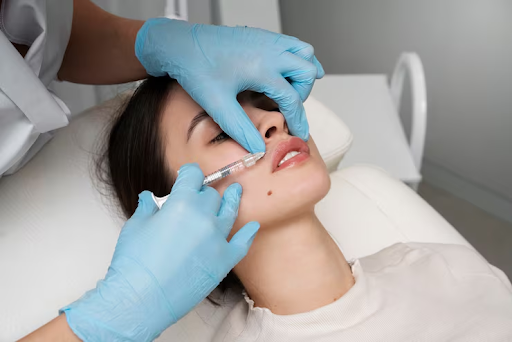
Dermal filler is designed to soften lines, restore volume, and refine contours. Occasionally the result looks uneven, overfilled, or simply different from what the patient imagined. In those moments, a filler dissolver offers a reversible path forward. Understanding how it works, when providers use it, and what to expect afterward helps you approach any correction with realistic expectations.
Why Filler Sometimes Needs Correcting
Several situations lead patients to seek a reset. Product placed too superficially can form visible lumps or give the skin a bluish tint, often called the Tyndall effect. Filler can also settle unevenly, leaving one cheek or lip fuller than the other. Others simply change their minds: trends shift, faces age, and a look that felt right two years ago may now seem heavy. A reliable filler dissolver gives patients and providers a way to adjust course without waiting for the material to fade on its own.
How the Enzyme Breaks Down Hyaluronic Acid
Most popular fillers are made from hyaluronic acid, a sugar-like molecule that already exists in your skin and holds water. The product used to reverse them is an enzyme called hyaluronidase. Think of a filler dissolver as molecular scissors: it cuts the cross-linked hyaluronic acid into smaller fragments that the body absorbs naturally. The research behind this approach is extensive, and you can browse peer-reviewed studies on hyaluronidase and filler complications for deeper detail. Importantly, this method only works on hyaluronic acid products. Fillers such as Sculptra or Radiesse are built differently and do not respond to a filler dissolver.
What Happens During the Appointment
A typical visit begins with a consultation, where the provider reviews your treatment history, photographs the area, and identifies which product sits where. Knowing the brand and date of earlier injections helps. The provider then places tiny amounts of enzyme into the areas that need softening, often using small droplets rather than one large dose. Gentle massage follows. Most people describe mild tenderness and temporary swelling instead of significant pain, and numbing cream can make the process more comfortable.
Timeline and What You Might See
Changes usually start within a day or two, though swelling can mask early results. A filler dissolver continues working over several days, so providers generally advise waiting before judging the outcome. Some patients need a second session, especially after large volumes or older filler that has integrated with the surrounding tissue. Many clinicians suggest waiting about two weeks before placing new filler so that the enzyme clears and the tissue settles. Patience here prevents a cycle of correcting and re-correcting. Photographs taken before and after treatment can help you track subtle changes, which are easy to miss when you look in the mirror.
Safety Considerations Worth Knowing
Hyaluronidase is widely used, yet it is still a medical product. Open communication matters here, so tell your provider about any history of bee sting allergy or prior reactions to injections. Rare allergic reactions can occur, and some providers perform a small test dose for patients with a known sensitivity. Because the enzyme can break down your natural hyaluronic acid, an inexperienced injector may soften more than intended, leaving the area flat. In addition, a filler dissolver plays a crucial role in emergencies such as vascular occlusion, where filler blocks a blood vessel and time matters. That is why clinics that inject filler should always stock the enzyme and know how to use it.
Choosing the Right Provider in Dallas
Look for a practice that handles both injection and correction in-house. A team offering dermal fillers and filler dissolving side by side understands how product behaves in the face and can plan each step with care. Ask about training, about the products they use, and about how they manage complications. Clear answers signal experience. If you are comparing Dallas options, reviewing how a filler dissolver service is described and booked at One Seventy Med Spa can show you what a well-organized treatment pathway looks like.
Aftercare and Practical Tips
Aftercare is simple but worth following. Apply a cold compress gently if swelling appears, avoid strenuous exercise for the rest of the day, and skip alcohol that evening to reduce bruising. Sleeping with your head slightly elevated can also help. Do not massage the area unless your provider instructs you to, and avoid booking a major event within a week of treatment. If you notice severe pain, skin discoloration, or vision changes, contact the clinic immediately, because those signs require urgent attention. Keep notes about each procedure, including product names and dates, so future providers can make informed decisions. Good records make every later correction safer and simpler.
Conclusion
Dermal filler should enhance your features, not define them for years. When results miss the mark, a filler dissolver gives you a safe, science-backed option to start fresh or fine-tune the details. Learn how it works, ask thoughtful questions, and choose a provider who treats correction with the same care as injection. With the right guidance, a reset can restore confidence in the way you see yourself.