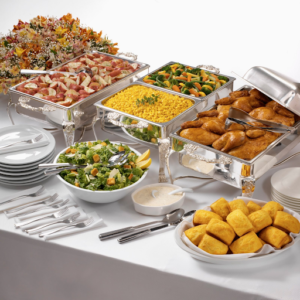
A successful catering operation depends on much more than the quality of its food. Behind every meal served on time is a network of activities involving purchasing, inventory control, staff coordination, preparation schedules, food safety, transportation, and customer service. When these activities work together, catering providers can maintain consistent standards while managing costs and meeting client expectations.
Effective catering operations management helps organisations coordinate these responsibilities through clearly defined procedures, trained employees, appropriate resources, and ongoing performance monitoring. It is particularly important when serving large workforces, managing recurring food service contracts, or delivering meals across demanding operational environments.
Without effective coordination, even a well-equipped kitchen can experience shortages, delays, waste, or inconsistent service. A structured management approach helps identify these risks and establish processes that support reliable delivery.
Understanding the Main Components of Catering Operations
Catering operations involve several connected functions, each of which contributes to the overall customer experience.
Procurement ensures that suitable ingredients and supplies are available when required. Inventory management helps track stock levels, monitor expiry dates, and reduce unnecessary purchases. Production planning determines how much food must be prepared and when preparation should begin.
Staff management ensures that employees understand their duties and that sufficient personnel are available during busy periods. Quality control monitors food safety, consistency, and presentation, while distribution ensures that meals reach customers at the right time.
These functions should not operate independently. Changes in attendance, ingredient availability, or serving schedules can affect multiple parts of the operation. Clear communication between purchasing, kitchen staff, supervisors, and client representatives helps maintain coordination.
Planning Resources and Controlling Costs
Accurate planning is essential for managing a catering budget. Costs may include ingredients, labour, transportation, equipment, utilities, packaging, cleaning supplies, and waste disposal.
Managers should understand how these expenses change with meal volume and service requirements. Purchasing too much stock can increase spoilage, while insufficient purchasing can cause shortages and expensive emergency orders.
Demand forecasting helps estimate the quantities needed for upcoming services. Historical consumption, confirmed attendance, menu selections, and seasonal changes can all inform these estimates.
Managers should also review portion sizes and production yields. Standardised recipes and preparation procedures help maintain consistency while making ingredient requirements easier to calculate.
Cost control should not mean reducing quality indiscriminately. The objective is to eliminate avoidable waste, use resources efficiently, and maintain appropriate food safety and service standards.
Maintaining Food Safety and Quality Standards
Food safety is a fundamental operational responsibility. Catering providers must establish procedures that cover receiving, storage, preparation, cooking, transportation, and serving.
Staff should understand appropriate hygiene practices, cleaning requirements, temperature controls, allergen management, and measures to prevent cross-contamination. Training should be supported by supervision and documented checks.
Quality assurance also includes the consistency of meals. Customers expect appropriate portions, acceptable presentation, suitable serving temperatures, and dependable service.
Regular inspections can help identify problems before they affect a large number of customers. Managers should investigate recurring issues, determine their causes, and implement corrective measures.
Clear records can support traceability and demonstrate that established procedures are being followed. All practices should align with applicable food safety regulations and contractual requirements.
Developing a Skilled and Reliable Workforce
Employees influence nearly every aspect of a catering operation. Kitchen staff must prepare meals safely and consistently, service personnel must manage distribution efficiently, and supervisors must coordinate activities across the operation.
Managers should establish clear job responsibilities and provide training appropriate to each role. Employees need to understand not only what they are expected to do but also why particular procedures matter.
Staff scheduling should reflect the expected volume and timing of service. Understaffing can create delays and increase pressure on employees, while excessive staffing may unnecessarily increase operating costs.
Regular communication helps employees understand changes in menus, schedules, or client requirements. Feedback and performance reviews can also identify training needs and opportunities to improve working practices.
Improving Supply Chain Reliability
Ingredient availability affects production schedules, menu planning, and overall service continuity. Catering managers must therefore maintain suitable supplier relationships and monitor stock levels carefully.
A structured procurement process should establish purchasing requirements, product specifications, delivery schedules, and procedures for inspecting incoming supplies. Managers should also maintain appropriate storage and stock rotation practices.
When supplies become unavailable, alternative sourcing arrangements can help prevent disruption. However, substitutions must meet the required quality and safety standards and should not introduce undisclosed allergens or unsuitable ingredients.
Accurate stock records provide useful information about purchasing patterns and consumption. Reviewing this information can help managers identify slow-moving items, recurring shortages, and opportunities to improve ordering.
Catering for Corporate and Industrial Environments
Corporate offices, industrial facilities, hospitals, and other large organisations may require different approaches to food service. Their requirements can vary according to workforce size, operating hours, site access, equipment availability, and the number of meals needed.
Organisations evaluating business catering services should consider whether a provider can meet their daily requirements and respond to changes in demand. Service plans should establish meal quantities, delivery times, distribution arrangements, hygiene responsibilities, and communication procedures.
Industrial environments may require shift-based schedules and coordinated delivery to designated serving areas. Corporate offices may prioritise convenience, menu variety, and minimal disruption to working hours.
Site assessments help identify these differences before service begins. They also provide an opportunity to establish realistic expectations and determine whether additional equipment, staffing, or logistical support is necessary.
Measuring Performance and Using Feedback
Performance monitoring helps managers understand whether the operation is meeting its objectives. Measurements should be relevant to the service agreement and the needs of the client.
Possible indicators include delivery punctuality, meal availability, food waste, customer satisfaction, stock losses, hygiene compliance, and expenditure against budget.
Numbers alone cannot explain every problem. Managers should combine performance data with staff observations, client discussions, and customer feedback to identify the underlying causes of recurring issues.
For example, repeated delays may result from inaccurate attendance forecasts, insufficient serving stations, or poorly coordinated staff schedules. Identifying the cause makes it easier to develop a practical solution.
Regular reviews should lead to clear actions, assigned responsibilities, and follow-up checks. This creates a continuous improvement process rather than a system that merely records problems.
Managing Contracts and Client Expectations
Recurring food service arrangements require clearly defined responsibilities. Agreements should explain the scope of service, expected meal volumes, pricing, service schedules, quality requirements, and procedures for handling changes.
Managers should understand the difference between fixed requirements and areas where flexibility is permitted. This helps them respond to changing demand without creating confusion about cost or responsibility.
Transparent communication is particularly important when unexpected circumstances affect service delivery. Early notification gives both parties more time to consider alternatives and minimise disruption.
Clients should also have a straightforward process for reporting concerns. Complaints should be recorded, investigated, and addressed within an agreed timeframe.
A cooperative relationship allows service providers and clients to identify opportunities for improvement while maintaining accountability.
Reducing Waste and Improving Sustainability
Food waste can increase operating expenses and create environmental challenges. Better forecasting, appropriate portioning, stock rotation, and careful preparation planning can help reduce unnecessary losses.
Managers should review the amount and type of food discarded and look for patterns. Consistently high waste levels may indicate that menus, portion sizes, or production estimates need to be adjusted.
Sustainable purchasing, suitable packaging choices, and responsible waste separation can further improve environmental performance. These measures should remain practical for the location and comply with food safety requirements.
The most effective improvements are those that can be monitored and maintained as part of everyday operations.
Conclusion
Reliable catering depends on coordination, accountability, food safety, cost control, and a workforce equipped to deliver consistent service. Organisations that invest in these areas can improve customer satisfaction while making better use of their operational resources.
Catering & Facilities Solutions Limited (CFS) provides catering and facilities support in Nigeria, drawing on its operational capabilities, trained personnel, quality procedures, and customer-focused approach. For organisations seeking dependable contract food services and professional catering services lagos, choosing a provider with clear procedures and effective operational oversight can support consistent service delivery and long-term business relationships.