A flight of stairs that once felt effortless can become a daily challenge when knee arthritis gradually wears away the joint's protective cartilage. Pain, stiffness, swelling, and reduced movement may begin to affect sleep, work, exercise, and even short walks. Recognizing these changes early helps people explore suitable treatment options before discomfort significantly limits everyday activities.
Consulting total knee replacement surgeons can help patients understand the severity of joint damage, available treatments, and whether surgery may eventually become appropriate.
Understanding Knee Arthritis Before Considering Joint Replacement
Knee arthritis develops when the structures that support smooth joint movement deteriorate, causing discomfort and reduced mobility. Treatment depends on symptoms, examination findings, and how much daily activities are affected.
1. Recognizing Common Symptoms of Knee Arthritis
Osteoarthritis is a common cause of knee pain, especially as cartilage gradually breaks down with age or after a previous joint injury. Patients may experience:
- Stiffness: Difficulty moving the knee after resting.
- Swelling and tenderness: Discomfort around the affected joint.
- Pain during movement: Increased discomfort while standing, walking, or climbing stairs.
- Reduced flexibility: Difficulty fully bending or straightening the knee..
Symptoms can fluctuate, so persistent or worsening pain deserves medical assessment rather than being dismissed as a normal part of aging.
2. Understanding the Factors Behind Joint Damage
Several factors can contribute to knee osteoarthritis and damage to surrounding joint structures, including:
- Aging: Cartilage may gradually deteriorate over time.
- Excess body weight: Additional pressure can increase stress on the knee joint.
- Previous injuries: Earlier fractures or ligament damage may contribute to joint problems.
- Repetitive physical stress: Certain activities can place repeated demands on the knees.
- Family history: Genetic factors may influence susceptibility to osteoarthritis.
An orthopedic specialist reviews medical history, examines movement and stability, and may recommend X-rays or other investigations before developing an appropriate treatment plan.
3. Exploring Treatment Options Before Surgery
Joint replacement is not the first treatment for every patient with arthritis. Depending on the condition, care may include:
- Physiotherapy: Exercises to improve strength, flexibility, and joint movement.
- Activity modification: Adjusting activities that aggravate knee pain.
- Weight management: Reducing excess pressure on the knee joint.
- Walking aids: Using suitable support to improve mobility and stability.
- Medication: Taking appropriate pain-relief medicines under clinical guidance.
The goal is to improve comfort and function while weighing the benefits, limitations, and potential risks of each option.
Evaluating Surgical Choices With Total Knee Replacement Surgeons
When conservative treatments no longer provide sufficient relief, an orthopaedic consultation can help determine whether joint replacement is appropriate. Decisions should reflect symptoms, joint damage, general health, and personal goals.
1. Identifying When Knee Replacement Becomes Appropriate
Severe arthritis can make routine activities difficult despite consistent non-surgical treatment. Total knee replacement surgeons assess several factors before recommending surgery:
- Persistent pain: Discomfort continues despite appropriate non-surgical treatments.
- Limited mobility: Walking, climbing stairs, or standing becomes increasingly difficult.
- Sleep disruption: Knee pain interferes with rest and everyday comfort.
- Reduced independence: Routine activities become challenging to manage.
- Clinical findings: Examination and imaging indicate significant joint damage.
Surgery may be considered when the expected benefits outweigh its risks. The decision should follow an informed discussion rather than depend on an X-ray finding alone.
2. Understanding What the Procedure Involves
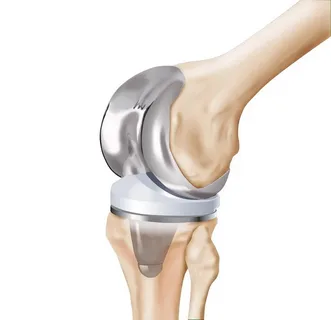
Total knee replacement involves removing damaged joint surfaces and replacing them with artificial components designed to reduce pain and improve movement. Patients should understand the main aspects of the procedure:
- Joint resurfacing: Surgeons replace damaged surfaces with suitable artificial components.
- Implant selection: Surgeons choose components based on anatomy and clinical needs.
- Medical assessment: The team reviews existing conditions and medications before surgery.
- Anesthesia planning: The care team discusses appropriate anesthesia options.
- Recovery planning: The team discusses rehabilitation requirements and expected milestones beforehand.
Patients should ask their surgical team about implant considerations, potential complications, and likely functional outcomes.
3. Preparing for Surgery and Rehabilitation
Preparation can build confidence and help patients manage recovery. The surgical team may recommend:
- Preoperative exercises: Build strength and prepare muscles for rehabilitation.
- Medication adjustments: Review medicines with the treating clinician before surgery.
- Home safety changes: Clear walking paths and arrange suitable support.
- Post-discharge assistance: Organize help with daily activities during early recovery.
- Guided rehabilitation: Practice movement, strengthen muscles, and walk.
Recovery varies between individuals and depends on overall health, surgical factors, and participation in rehabilitation. Following professional instructions remains essential throughout healing.
Advancing Mobility Through Modern Orthopedic Care
Successful knee treatment involves more than the operation itself. Accurate diagnosis, appropriate patient selection, careful surgical planning, and structured follow-up all contribute to the overall care pathway. Advanced imaging and surgical techniques can support treatment planning, but the best approach depends on the individual, not technology alone.
Patients should discuss their expectations openly, including desired walking distances, work responsibilities, hobbies, and other daily activities. Understanding realistic outcomes helps establish achievable goals. It is equally important to discuss risks such as infection, blood clots, stiffness, persistent pain, implant complications, and the possibility of further treatment. A coordinated approach between the orthopedic team, physiotherapists, and patient supports safer decision-making and more purposeful rehabilitation.
Choosing the Best Knee Replacement Surgeon
Selecting a specialist requires attention to qualifications, experience, communication, and the quality of care provided before and after surgery. Patients can ask about the surgeon's experience with similar cases, the proposed procedure, rehabilitation arrangements, and how the surgeon manages complications. A clear explanation of alternatives and limitations can help individuals make informed choices without feeling pressured.
When choosing a knee replacement surgeon, evaluate relevant orthopedic expertise, an individualized treatment plan, and transparent discussions of likely benefits and risks. Patients should also consider hospital facilities, access to follow-up care, and rehabilitation support when comparing options.
Conclusion
Knee arthritis does not always require surgery, but persistent pain and restricted movement deserve timely assessment. Understanding non-surgical treatments, surgical indications, and rehabilitation helps patients approach joint replacement decisions with realistic expectations and greater confidence. Consulting the best knee replacement surgeon in Bangalore can help patients understand their options and make informed decisions about suitable care.
Bone & Joint Consult, led by Dr. Rewat Laxman, provides orthopedic consultations for people experiencing knee problems and exploring treatment options. They help patients understand their condition, discuss suitable care pathways, and determine whether further assessment or surgical treatment may be appropriate. Their team offers guidance based on each patient’s symptoms, medical history, and individual needs, helping them make informed decisions about their orthopedic care.