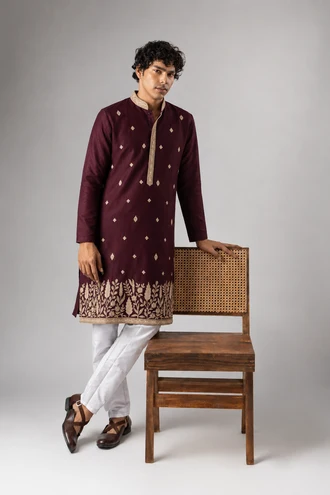
Picture a wedding in Berlin, a Diwali dinner in Munich or a Henna night in Vienna. The room glows with silk, zari borders and rich colors, and every outfit looks like it carries generations of craft. Now picture the same outfit, bought online for a few euros, worn once and quietly forgotten in a wardrobe. That second scenario is becoming common. As modern Indian clothing grows more popular worldwide, fast fashion has slipped into the world of festive and heritage wear, and the planet is paying for it. Here's how it happens and what you can do instead.
When Tradition Meets the Fast-Fashion Cycle
Traditional clothing was once bought rarely, made carefully and handed down. Today, social media trends and a packed calendar of weddings and festivals push many shoppers to want something new for every occasion. Retailers respond with cheap copies of heritage designs, often in synthetic fabrics, produced at speed and sold at prices that make repeat buying feel painless. The result is a throwaway mindset applied to garments that were designed to last.
The Hidden Environmental Bill
The damage rarely shows on the price tag, but it adds up across a garment's life.
- Emissions: Estimates vary by method, but the textile sector is thought to produce roughly 2 to 8 percent of greenhouse gas emissions. Fast production cycles and long supply chains add to that load.
- Water use: Fabric production is thirsty. One widely cited estimate says a single cotton shirt needs about 2,700 litres of fresh water. Heavily embellished festive pieces often involve extra dyeing, finishing and processing.
- Water pollution: Dyes and finishing chemicals can end up in rivers when wastewater isn't properly treated. One commonly quoted figure from the World Bank is that textile dyeing accounts for about 17 to 20 percent of global industrial water pollution.
- Synthetic fibers and microplastics: Cheap polyester, nylon and plastic sequins don't break down easily. Every wash can shed tiny fibers that travel into waterways.
- Waste: Garments made to be worn once are often thrown away once the event ends. Mixed fibers, glued embellishments and metallic threads make them hard to recycle.
Why Traditional Garments Are Especially Vulnerable
Heritage wear faces a few unique pressures:
- Occasion-driven buying: Outfits are bought for one event, so wear counts stay low.
- Elaborate construction: Multi-piece sets, heavy embroidery and layered fabrics need more materials and are harder to repair or recycle.
- Cheap imitation: Machine-made copies undercut handloom weavers and skilled embroiderers, which threatens traditional crafts as well as the environment.
- Sizing and fit changes: A garment that doesn't fit quite right next year is less likely to be worn again.
The Half Saree: A Garment Children Outgrow
The half saree shows the problem clearly. It's a traditional South Indian three-piece outfit worn by young girls and teenagers, made up of a long skirt, a fitted blouse and a separate scarf draped like a saree. Families often buy one for festivals and coming-of-age celebrations.
Girls grow fast, so a cheaply made set may be worn only once or twice before it no longer fits. Buying a new one for each celebration multiplies the waste. Smarter choices include adjustable waistbands, generous hems and seam allowances that tailors can alter, natural fibers that wear well and passing outfits between cousins, siblings and friends. Rental and swap circles also work well for outfits tied to a single ceremony.
Slow Fashion Done Right
Modern Indian clothing does not have to mean disposable fashion. A thoughtful approach to clothing focuses on quality, versatility, and responsible consumption. These simple habits can help you build a wardrobe that looks good and lasts longer.
- Read the fabric label: Select materials such as silk, cotton, linen, and handloom weaves. With proper care, quality fabrics can retain their appearance and remain wearable for years.
- Look for credible certifications: Labels such as GOTS and OEKO-TEX can help you identify products that meet specific standards for textile production, materials, or chemical safety.
- Mix and match: Style one blouse with different sarees or pair a dupatta with multiple outfits. Versatile pieces create fresh looks without requiring frequent purchases.
- Check construction: Examine stitching, finished seams, fabric quality, and embellishments before buying. Well-made garments are often better suited to repeated wear.
- Care properly: Follow washing instructions, store garments in breathable bags, protect them from prolonged sunlight, and repair minor damage promptly.
- Rent for one-off occasions: Renting or borrowing occasion wear can reduce the need to purchase outfits you may rarely use.
- Pass it on: Donate, exchange, or upcycle clothes you no longer wear. An old saree, for instance, can become a dress, cushion cover, or other useful item.
These habits encourage mindful shopping, reduce textile waste, and help you enjoy Indian fashion beyond short-lived trends.
Questions to Ask Before You Buy
Before you add something to your basket, pause and ask:
- How many times will I realistically wear this?
- What is it made from, and will it last?
- Can it be restyled, altered or repaired?
- Does the seller share where and how it is made?
- Would I still want it in two years?
If you can answer yes to most of these, the purchase is likely a good one.
Final Thoughts
Fast fashion's environmental cost doesn't stop at everyday T-shirts. It reaches weddings, festivals and family heirlooms too. Buying fewer, better pieces, caring for them well and passing them on is the most practical way to reduce that impact. A well-chosen designer saree, for instance, can be restyled, shared and treasured for decades, which is far kinder to the planet than a cheap outfit worn once. Celebrate in style, and let your wardrobe outlast the season.
Riwaaz is a Germany-based ethnic wear brand offering sarees, lehengas, kurta sets and other South Asian outfits for women and men across Germany and Europe. They focus on premium fabrics, skilled craftsmanship and versatile, long-lasting designs, with delivery within the EU, supporting shoppers who prefer a thoughtful, slow-fashion wardrobe.