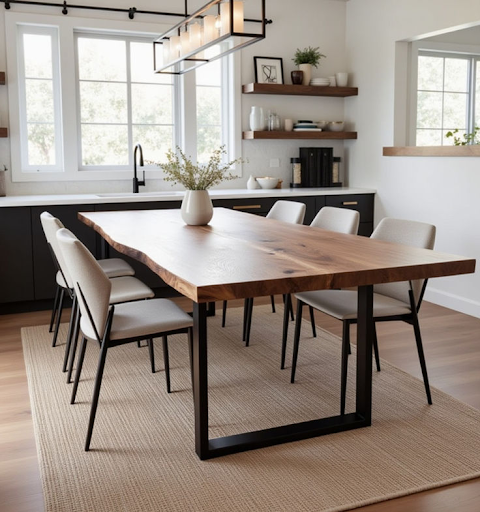
The dining area is one of the most important shared spaces in a home. It is where families enjoy everyday meals, friends gather for celebrations, and conversations continue long after the food has been served. Creating a dining space that feels comfortable and looks inviting begins with choosing furniture that suits the room, supports your lifestyle, and complements the rest of your interior.
The right dining table provides the foundation for the entire arrangement. Its size, shape, material, and finish influence how people move around the room and how comfortably they can sit together. However, the table is only one part of the design. Seating, storage, lighting, and accessories all contribute to a dining area that feels coordinated rather than overcrowded.
Whether you have a separate dining room or a compact eating area within an open-plan layout, a thoughtful approach can help you make the most of the available space. By balancing visual appeal with everyday functionality, you can create a dining environment that works for both ordinary routines and special occasions.
Choose a Table That Fits Your Room
Before selecting furniture, measure the dining area carefully. Include the room's length and width, doorways, windows, and any nearby cupboards or furniture that may affect movement. These measurements will help you determine how much space is available for the table and chairs.
A table should provide enough surface area for the number of people who regularly use it without making the room difficult to navigate. If the table is too large, chairs may be difficult to pull out and walkways may become restricted. If it is too small, meals and gatherings can feel cramped.
Think about your household's everyday needs. A smaller household may prefer a compact design, while a larger family might require more seating space. Extendable options can be useful when you regularly entertain guests but do not want a permanently oversized table.
The shape also matters. Rectangular tables can work well in longer rooms, while round designs may suit smaller or square spaces. Consider how the furniture will sit alongside existing cabinets, seating, and lighting before making a decision.
Make Seating Comfortable and Flexible
Comfortable seating is essential to an enjoyable dining experience. Chairs should offer appropriate support, fit beneath the table when not in use, and allow people to sit without feeling crowded.
Traditional dining chairs provide a familiar arrangement, but alternative seating can create a different look and make better use of the available space. A dining room set with bench seating can be particularly useful for families who want a relaxed atmosphere and a practical way to accommodate several people.
A bench can often be pushed closer to the table when not in use, helping keep the surrounding area tidy. It may also create a more casual appearance than a collection of individual chairs. Depending on the design, it can work well against a wall or along one side of the table.
Before choosing bench seating, check the table height and the available legroom. Consider whether the bench will be comfortable for longer meals and whether it can be moved easily when cleaning or rearranging the room. A combination of a bench and individual chairs can offer a useful balance between flexibility and personal comfort.
Coordinate Materials and Colours
A dining area feels more cohesive when the table, seating, and surrounding furniture work together visually. This does not mean every piece needs to match exactly. Different finishes can create character, provided the colours and materials complement one another.
Wooden surfaces can introduce warmth and suit both classic and contemporary interiors. Metal details may create a more industrial appearance, while upholstered seating can soften the overall look. Glass surfaces may help a smaller room feel visually lighter.
Choose a colour palette that relates to the rest of your home. Neutral shades can create a calm foundation, while darker furniture may add contrast and definition. Cushions, rugs, artwork, and table accessories can introduce additional colour without requiring major changes.
Pay attention to the visual weight of each item. A substantial table may suit a large dining room, but it can overwhelm a compact area when combined with heavy chairs and bulky storage. In smaller spaces, streamlined furniture and open floor areas can help maintain a sense of balance.
Add Storage Without Creating Clutter
Dining spaces often need storage for plates, cutlery, glassware, table linens, and serving accessories. Keeping these items organised makes mealtimes easier and helps the room remain tidy.
A sideboard can provide enclosed storage while creating a useful surface for serving dishes, decorative objects, or a lamp. Choose a design that fits the available wall space and leaves enough clearance for doors, drawers, and nearby chairs.
A black sideboard can make a striking addition to a dining room, particularly when paired with lighter walls, natural wood, or soft neutral furnishings. Its darker finish can create contrast and provide a strong visual anchor without requiring elaborate decoration.
Consider the storage layout before purchasing. Deep cupboards may suit larger serving items, while drawers can help organise smaller accessories. The top surface should also be easy to maintain and large enough for the items you intend to display.
Avoid filling the sideboard with too many decorative pieces. A simple arrangement of a mirror, artwork, a vase, or a small lamp can make the furniture feel intentional while preserving useful surface space.
Use Lighting to Set the Atmosphere
Lighting can change how a dining area looks and feels. A well-lit space supports everyday meals, while softer lighting can make evening gatherings more relaxed.
If possible, make use of natural light during the day. Keep windows unobstructed and choose curtains or blinds that suit the room's requirements. In the evening, a pendant light above the table can help define the dining zone, especially in open-plan interiors.
Consider the size and position of the light fitting. It should provide useful illumination without obstructing views across the table. Additional lighting, such as wall lights or a lamp on a nearby sideboard, can create depth and reduce harsh shadows.
The furniture arrangement should work with the lighting rather than compete with it. Position the table so it feels naturally connected to the light source, and avoid overcrowding the area with large decorative objects that interfere with visibility or movement.
Make Small Dining Areas Feel More Spacious
A compact dining area can still feel attractive and comfortable when the furniture is carefully selected. The most effective approach is to prioritise essential functions and avoid filling the room with items that are rarely used.
Choose furniture with proportions suited to the room. Slim legs, simple silhouettes, and lighter finishes may help the space feel less crowded. Folding or extendable designs can also provide flexibility when the area serves several purposes.
A dining room set with bench seating may be worth considering when you want to accommodate several people while keeping the arrangement visually simple. Measure the bench and table together, and make sure there is enough room for people to sit down and get up comfortably.
Wall-mounted shelves can provide additional storage without using much floor space. Mirrors may also help reflect light and make the room feel more open. Keep the floor area as clear as possible, especially around entrances and main walking routes.
Choose Furniture for Everyday Durability
Dining furniture experiences regular use, so durability should be an important part of the buying decision. Meals can involve spills, hot dishes, frequent movement, and daily cleaning. Selecting materials that suit these conditions can help furniture remain attractive for longer.
Review product information to understand the surface finish, construction, cleaning requirements, and assembly process. Consider whether the table is suitable for your household's routines and whether the seating can withstand frequent use.
A black sideboard may be a practical storage choice when its dimensions and internal layout suit your needs. Before purchasing, check that drawers and cupboard doors provide convenient access and that the finish can be maintained with straightforward care.
Think about long-term flexibility, too. A versatile design can remain useful if you change your wall colours, replace your chairs, or rearrange the room. Neutral finishes and simple forms often make it easier to update accessories without replacing major furniture pieces.
Plan Your Dining Room Before Purchasing
A successful dining room begins with a clear understanding of how the space will be used. Consider the number of people who regularly dine together, the amount of storage required, and whether the room will also serve as a workspace or a place for activities.
Measure carefully and compare the dimensions of every major piece. Check chair clearance, walking routes, and access to nearby doors and cupboards. If you are buying several items together, think about their combined appearance rather than evaluating each piece separately.
A dining table should provide a practical surface while fitting naturally into the room. A dining room set with bench seating may offer a flexible solution for shared meals, while a black sideboard can introduce useful storage and visual contrast. The best combination will depend on your space, personal style, and daily routines.
Conclusion
A well-designed dining area combines comfortable seating, suitable furniture proportions, practical storage, and lighting that creates the right atmosphere. By considering these elements together, you can develop a room that supports everyday meals and special gatherings without sacrificing style.
Focus on measurements, material quality, ease of maintenance, and the way each item works with the rest of the interior. A coordinated arrangement can make even a modest dining area feel welcoming and organised.
Cozy Furniture Direct offers furniture options for people looking to create practical and attractive home interiors. With careful planning and thoughtful choices, you can build a dining space that reflects your style and remains comfortable for years to come.