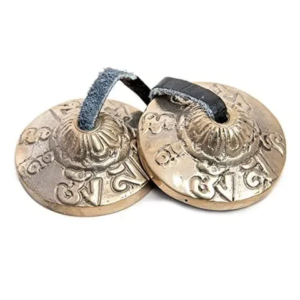
Sourcing traditional meditation accessories requires more than finding products at attractive prices. Buyers must consider craftsmanship, material quality, cultural authenticity, and long-term value before making purchasing decisions. For businesses ordering in larger quantities, comparing the tingsha bells price wholesale pricing options is particularly important because lower upfront costs do not always translate into better value. Whether supplying meditation studios, spiritual shops, or individual practitioners, choosing reliable products helps maintain customer satisfaction while protecting profit margins.
A thoughtful sourcing strategy allows buyers to balance affordability with the quality and authenticity that make traditional Himalayan accessories meaningful.
1. Understand What Determines Product Quality
The first step towards making better purchasing decisions is understanding the characteristics that distinguish well-crafted meditation accessories from ordinary alternatives. Materials, construction techniques, finishing, and attention to detail all influence a product's quality and usability.
Traditional tingsha bells, for example, are valued for their distinctive ringing sound. Buyers should pay attention to the clarity, consistency, and resonance produced when the two cymbals meet. Poorly manufactured pieces may produce dull or uneven tones, affecting the overall meditation experience.
Similarly, singing bowls should be evaluated for their sound characteristics, finish, and craftsmanship. Prayer flags require attention to fabric quality, printing techniques, colour consistency, and the accuracy of traditional symbols.
Understanding these differences helps buyers avoid selecting products based exclusively on appearance or price. It also makes it easier to identify which features justify a higher purchase cost and which are simply unnecessary additions.
2. Compare Pricing Without Compromising Craftsmanship
Price comparison is essential when purchasing meditation accessories, particularly for retailers, distributors, and wellness businesses managing larger inventories. However, the cheapest available option may not always offer the best commercial value.
Before placing an order, compare products across multiple suppliers and examine what each price includes. Consider material specifications, manufacturing methods, product dimensions, packaging, shipping expenses, and any applicable bulk discounts.
When evaluating wholesale quotations, buyers should also check whether products maintain consistent quality across larger orders. A supplier offering attractive rates but inconsistent manufacturing standards could create additional expenses through customer complaints, returns, or replacements.
It is equally important to understand how pricing changes with order quantities. Some suppliers offer more favourable rates for larger purchases, while others provide flexibility for smaller businesses.
The objective should be to identify a reasonable balance between affordability and dependable craftsmanship. A slightly higher initial investment can often prove more economical when products offer better durability, presentation, and customer satisfaction.
3. Evaluate Suppliers Before Placing Bulk Orders
Choosing the right supplier is just as important as selecting the products themselves. A reliable sourcing partner provides transparency about product origins, manufacturing processes, materials, and order conditions.
Start by examining the supplier's product catalogue and checking whether descriptions provide meaningful information. Clear photographs, accurate specifications, and details about craftsmanship can help buyers make informed decisions.
Whenever possible, request samples before committing to substantial quantities. Testing a few pieces allows businesses to assess sound quality, finishing, dimensions, and overall construction. It also provides an opportunity to compare different designs before investing in inventory.
For businesses exploring tingshas for sale, examining the available styles and craftsmanship is particularly useful. Traditional motifs, metal composition, and sound characteristics can influence which products appeal to different customer groups.
Buyers should also clarify delivery timelines, packaging standards, replacement policies, and communication procedures. These practical details become increasingly important when managing regular inventory requirements.
A dependable supplier should make the purchasing process straightforward while maintaining consistent expectations regarding product quality and service.
4. Build a Balanced Collection Around Customer Needs
An effective sourcing strategy considers the complete product range rather than focusing on individual items. Customers interested in meditation and spiritual practices often appreciate having access to complementary accessories that support different aspects of their routines.
For example, meditation stores can combine singing bowls, tingsha cymbals, incense accessories, and traditional decorative pieces to create a more varied collection. Yoga studios may prioritise practical instruments that instructors can incorporate into regular sessions, while gift retailers might focus on distinctive designs and attractive presentation.
Prayer flags offer another opportunity to expand a spiritual product range. Their traditional colours, symbolic artwork, and cultural significance make them relevant to customers interested in creating meaningful meditation spaces.
For a prayer flags retailer, evaluating fabric quality, printing clarity, colour durability, and traditional design details can help establish a more dependable collection.
However, businesses should avoid purchasing excessive quantities simply because a supplier offers discounts. Instead, consider customer preferences, seasonal demand, available storage, and expected inventory turnover. A carefully selected collection can generate better results than an oversized assortment containing products with limited demand.
5. Prioritise Long-Term Value Over Short-Term Savings
The most effective sourcing decisions consider what happens after a purchase is completed. Product durability, customer feedback, supplier reliability, and replacement requirements all influence the actual cost of maintaining an inventory.
For instance, purchasing inexpensive meditation accessories may initially appear financially attractive. However, if the products have inconsistent finishes, weak construction, or disappointing sound quality, retailers may experience increased returns and reduced customer confidence.
Businesses should therefore assess the total cost of ownership rather than comparing purchase prices alone. This includes transportation, packaging, storage, potential replacements, and the time required to manage supplier-related issues.
Maintaining relationships with dependable suppliers can also simplify future purchasing decisions. Once a business identifies a source that consistently meets its quality expectations, repeat orders become easier to plan and manage.
Additionally, requesting updated quotations periodically helps buyers understand changing costs and identify opportunities for better purchasing arrangements.
Ultimately, the right sourcing strategy combines careful product evaluation, sensible budgeting, and consistent supplier communication. These practices help businesses maintain competitive pricing without weakening the quality of their collections.
Conclusion
Balancing quality and affordability when sourcing traditional meditation accessories requires informed decisions at every stage of purchasing. From examining craftsmanship and comparing wholesale quotations to evaluating suppliers and understanding customer expectations, each consideration contributes to better long-term value. Businesses should look beyond the initial tingsha bells price wholesale and prioritise products that reflect authentic craftsmanship, dependable quality, and meaningful cultural traditions.
For buyers seeking traditional Himalayan meditation instruments and spiritual accessories, Himalayan Bazaar offers a collection of handcrafted Nepalese products, including tingsha bells, singing bowls, and Tibetan prayer flags. By bringing together traditional craftsmanship and a diverse range of spiritual products, the company provides retailers and individual buyers with an opportunity to explore accessories that combine cultural heritage with practical value.