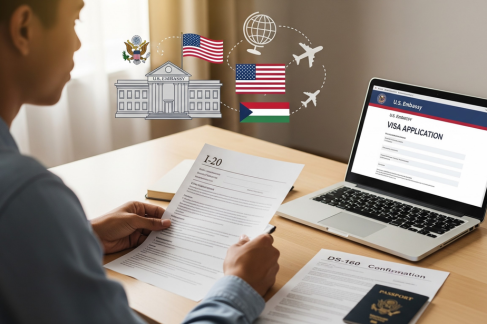
Renewing an F1 visa is an important process for international students who wish to continue their studies in the United States. While the process may seem straightforward, many students face delays or even refusals due to avoidable mistakes. Understanding these common errors can significantly improve your chances of a smooth and successful F1 visa renewal.
Whether you are continuing your ESL studies, undergraduate program, or graduate education, being well-prepared is essential. This guide highlights the most frequent mistakes students make during F1 visa renewal and how you can avoid them.
Not Understanding the Difference Between Visa Renewal and Status Maintenance
One of the most common mistakes students make is confusing F1 visa renewal with maintaining F1 status.
- F1 visa renewal refers to getting a new visa stamp at a U.S. embassy or consulate, usually when traveling abroad.
- F1 status maintenance refers to staying legally in the U.S. while continuing your studies with a valid I-20 and full-time enrollment.
Many students assume they must renew their visa while staying in the U.S., which is incorrect. In most cases, you only need to renew your visa when you plan to re-enter the country after international travel. Misunderstanding this can lead to unnecessary stress or incorrect applications.
Submitting an Incomplete DS-160 Form
The DS-160 form is a critical part of the visa renewal process. A frequent mistake is submitting incomplete or inconsistent information.
Common issues include:
- Incorrect personal details
- Missing travel history
- Inconsistent education records
- Typing errors in passport information
- Leaving required fields blank
Even small mistakes in the DS-160 form can raise red flags during the interview process. It is essential to review all information carefully before submission.
Providing Inconsistent or Incorrect Information
Consistency is crucial in all visa-related documents. A major mistake students make is providing conflicting information across different forms, such as the DS-160, I-20, and supporting documents.
For example:
- Different program details listed on DS-160 and I-20
- Mismatch in dates of travel or enrollment
- Incorrect financial information
- Conflicting academic history
Visa officers carefully review all documents, and inconsistencies can lead to delays or denials. Always ensure that your information matches across all forms.
Not Maintaining Full-Time Student Status
Maintaining valid F1 status is essential before applying for visa renewal. Students who fail to maintain full-time enrollment may face serious issues during the application process.
Common violations include:
- Dropping below full-time course load without authorization
- Poor academic performance affecting enrollment status
- Unauthorized breaks from study
- Not updating school records properly
U.S. immigration authorities expect students to be actively engaged in their studies. Failing to meet these requirements can negatively impact your visa renewal.
Ignoring Expiry Dates and Applying Late
Timing is extremely important in the visa renewal process. Many students wait until the last minute or apply after their visa has already expired.
This can lead to:
- Limited appointment availability
- Increased processing delays
- Travel restrictions
- Additional stress during urgent situations
It is always recommended to begin the renewal process well in advance of your planned travel dates or visa expiration.
Weak Financial Documentation
One of the most important requirements for student visa renewal is proving that you have sufficient financial resources to support your education and living expenses in the United States.
Common mistakes include:
- Submitting outdated bank statements
- Providing unclear or unofficial financial documents
- Not showing consistent funding sources
- Missing sponsor letters or affidavits of support
Visa officers need clear evidence that you can support yourself without unauthorized employment. Strong financial documentation improves your chances of approval.
Poor Preparation for the Visa Interview
The visa interview plays a crucial role in the renewal process. Many students underestimate its importance and fail to prepare properly.
Common mistakes include:
- Not practicing common interview questions
- Giving vague or unclear answers
- Appearing unconfident or nervous
- Failing to explain study goals clearly
- Not understanding their academic program
The interview is your opportunity to demonstrate genuine intent to study. Clear communication and confidence are key.
Not Demonstrating Strong Academic Intent
Visa officers want to ensure that students are genuinely focused on their education. A lack of clear academic intent can raise concerns.
Mistakes include:
- Unable to explain why you chose your program
- Showing weak academic performance without explanation
- Lacking clarity about future academic goals
- Indicating non-study-related intentions
You should clearly communicate your educational objectives and how your studies align with your career plans.
Overlooking Document Organization
Many students bring disorganized or incomplete documents to their visa interview. This can create a negative impression and slow down the process.
Important documents include:
- Valid passport
- Current and previous I-20 forms
- DS-160 confirmation page
- Financial documents
- Academic transcripts
- SEVIS fee receipt
Keeping documents well-organized in a folder helps you respond quickly and confidently during the interview.
Misunderstanding Travel History Requirements
Accurate travel history is essential for visa renewal. Some students fail to report previous international travel correctly or forget to include important details.
This can lead to:
- Inconsistencies in application data
- Delays in processing
- Additional questioning during interviews
Always ensure your travel history is complete and accurate when filling out forms.
Relying on Incorrect or Unofficial Advice
Another common mistake is relying on unverified sources or hearsay for visa guidance. Immigration rules can change, and outdated information can lead to errors.
Students should avoid:
- Following random online forums without verification
- Trusting unofficial agents without credentials
- Ignoring official U.S. embassy guidelines
Always refer to official government sources or authorized advisors when preparing your application.
Conclusion
F1 visa renewal is a crucial process that requires careful attention to detail, proper documentation, and honest communication. Many of the challenges students face are not due to eligibility issues but rather avoidable mistakes.
By understanding and avoiding common errors such as incomplete forms, inconsistent information, weak financial documentation, and poor interview preparation, students can significantly improve their chances of success.
A well-prepared application demonstrates responsibility, academic commitment, and genuine intent to study—qualities that immigration officers look for when approving student visa renewals. With careful planning and attention to detail, students can ensure a smooth continuation of their educational journey in the United States.