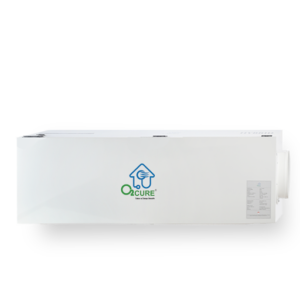
The air inside homes, offices, and enclosed spaces may contain invisible pollutants such as dust, allergens, smoke, bacteria, and harmful gases. Choosing the right air cleaner solution helps remove these contaminants and creates a healthier indoor environment.
Every space has different purification needs based on its size, usage, and sources of pollution. Understanding these requirements and available technologies helps in selecting an effective system for cleaner air and long-term performance.
Understanding Your Indoor Air Purification Needs
Before investing in an air purification system, it is important to evaluate the specific air quality challenges of the space. Different environments experience different types of pollutants, from household dust and allergens to chemical emissions and airborne microorganisms. Identifying the primary contaminants helps determine which purification technologies will provide the most effective results.
The size and purpose of the area also influence the selection process. Residential spaces may require solutions focused on reducing allergens, odors, and everyday pollutants, while commercial buildings, healthcare facilities, and educational institutions may need advanced systems capable of handling higher occupancy and continuous air circulation. A proper assessment ensures that the chosen solution matches the unique requirements of the environment.
Key Factors to Consider When Choosing an Air Cleaner
Selecting the right air purification system requires evaluating several important factors that influence efficiency and performance.
- Room Size and Coverage Capacity: Choose a system designed to effectively circulate and purify air according to the size of the area.
- Type of Air Contaminants: Consider whether the primary concerns are dust, allergens, odors, chemicals, microorganisms, or fine particles.
- Filtration Technology: Evaluate the purification methods used, including HEPA filters, activated carbon, UV technology, and other advanced solutions.
- Energy Efficiency: Select a system that provides effective purification while maintaining practical energy consumption.
- Maintenance Requirements: Consider filter replacement, servicing needs, and overall upkeep for consistent performance.
Understanding these factors helps users make a more informed decision while selecting an air purification solution. The right system provides better contaminant control, improves comfort, and supports healthier indoor environments over time.
Technologies Behind Effective Air Cleaner Performance
Advanced purification technologies play an important role in determining how effectively an air purification system removes indoor contaminants. A well-designed air cleaner uses a combination of filtration and purification methods to capture particles, reduce odors, and minimize harmful airborne contaminants.
- HEPA Filtration Technology
HEPA filters are designed to capture extremely small airborne particles, including dust, pollen, and fine particulate matter. By trapping these contaminants, they help prevent pollutants from continuously circulating inside enclosed spaces.
-
Activated Carbon Filtration
Activated carbon filters work by adsorbing odors, smoke, and volatile organic compounds emitted by household products, furniture, paints, and cleaning materials. This technology helps create fresher indoor air by reducing unwanted smells and chemical pollutants.
-
UV Sterilization Technology
UV sterilization uses ultraviolet light to target microorganisms such as bacteria and viruses. This technology supports cleaner indoor environments by reducing biological contaminants that may circulate through the air.
-
Bipolar Ionization Technology
Bipolar ionization releases charged ions that interact with airborne particles, helping them coalesce into larger particles that can be more easily captured by filtration. This technology supports improved removal of microscopic pollutants.
-
HVAC Integrated Purification Systems
HVAC-integrated solutions provide continuous air purification throughout larger spaces by treating air as it circulates through existing ventilation systems. These solutions are suitable for offices, hospitals, commercial buildings, and industrial facilities requiring comprehensive air management.
Benefits of Choosing the Right Air Cleaner Solution
Selecting the right air purification system helps address specific indoor pollution challenges while creating a cleaner and more comfortable environment. A properly matched solution not only removes harmful contaminants but also supports better air circulation and long-term indoor air management.
The effectiveness of an air purification system depends on its ability to target pollutants present in a particular space. By choosing the right technology and maintaining the system properly, occupants can experience improved comfort and reduced exposure to airborne contaminants.
- Helps reduce dust, pollen, and other airborne particles.
- Supports the removal of allergens that affect indoor comfort.
- Helps control odors and harmful chemical pollutants.
- Reduces exposure to bacteria, viruses, and other microorganisms.
- Creates cleaner environments for homes, workplaces, healthcare facilities, and commercial spaces.
A suitable purification solution ensures that indoor spaces receive the right level of protection based on their specific requirements. With proper installation and maintenance, these systems continue to deliver reliable performance and support healthier surroundings.
Maintaining Your Air Cleaner for Long-Term Efficiency
Regular maintenance is essential to keep an air purification system functioning effectively. Over time, filters collect dust, particles, and other contaminants, which can reduce the efficiency of the system if they are not replaced or cleaned as required.
Following recommended maintenance practices helps extend the lifespan of the equipment and ensures consistent purification performance. Routine servicing, timely filter replacement, and checking system components allow the solution to continue operating efficiently while maintaining cleaner indoor environments.
Conclusion
Choosing the right air purification solution requires careful consideration of the space, type of contaminants, available technologies, and maintenance requirements. A well-selected system helps remove airborne pollutants, supports healthier surroundings, and provides effective protection across residential, commercial, healthcare, and industrial environments. Investing in the right solution plays an important role in maintaining better indoor air quality and creating spaces where people can breathe more comfortably.
Those looking for advanced air purification solutions can rely on O2Cure, which provides customized systems for various indoor environments, including homes, offices, hospitals, schools, and industrial facilities. With innovative purification technologies and expertise in improving indoor air quality, O2Cure helps create cleaner, safer, and healthier spaces through reliable, tailored air purification solutions.