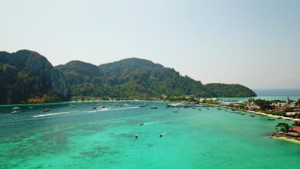
Koh Lipe is often described as one of Thailand’s most accessible tropical islands, but its real value is underwater. The island sits near the edge of Tarutao National Marine Park, which means the surrounding waters are protected and rich in marine biodiversity.
Unlike heavily commercialized diving hubs, Koh Lipe still retains a balance between tourism and relatively healthy reef systems. That combination is becoming rare in Southeast Asia.
For divers, this means clearer water visibility, varied marine life, and dive sites suitable for both beginners and experienced underwater explorers.
Many travelers discover the island through organized courses and guided dives offered by local operators such as La Bombona Diving, which is part of the growing Koh Lipe diving community.
What Makes Diving Around Koh Lipe Different
The underwater geography around Koh Lipe is not uniform. It includes coral gardens, sloping reefs, and deeper offshore sites.
Some key features include:
- Healthy soft and hard coral formations
- Regular sightings of reef fish, rays, and small reef sharks
- Clear visibility during peak season
- Calm dive conditions in sheltered areas
This variety is what makes diving in Koh Lipe appealing to a wide range of skill levels.
However, conditions are not identical year-round. Visibility and sea conditions depend heavily on monsoon cycles, which affect both water clarity and accessibility to certain dive sites.
Learning to Dive in Koh Lipe
For beginners, Koh Lipe is often used as a training destination because of its relatively calm waters and structured dive programs.
Introductory courses typically include:
- Basic theory and safety briefing
- Shallow-water training sessions
- Controlled reef dives with instructors
- Gradual progression into deeper sites
This structure allows new divers to build confidence before moving into more complex environments.
But beginners should not underestimate the learning curve. Even in calm waters, diving requires discipline, attention to safety procedures, and comfort in controlled breathing underwater.
Advanced Diving Conditions and Site Variation
For experienced divers, Koh Lipe offers more technical variety than it initially appears to.
Deeper sites may include:
- Stronger currents
- Drift diving conditions
- Larger pelagic fish sightings
- Steeper reef drop-offs
These dives require better buoyancy control and experience with changing underwater conditions.
Not every site is suitable for all levels, which is why guided dives are common even for certified divers.
Dive operators in the area typically adjust dive site selection based on weather, tide conditions, and diver experience levels.
Marine Life You Can Expect
One of the biggest attractions of Koh Lipe diving is the diversity of marine life.
Common sightings include:
- Parrotfish and angelfish
- Moray eels
- Sea turtles
- Stingrays
- Reef sharks (occasionally)
While large pelagic species are less frequent than in deeper oceanic regions, the reef ecosystem is active and visually rich.
This makes Koh Lipe more suitable for reef-focused diving rather than deep offshore exploration.
Why Local Dive Centers Matter
Choosing a local dive operator is not just about convenience—it directly affects safety, experience quality, and environmental impact.
Well-structured dive centers provide:
- Certified instructors
- Proper equipment maintenance
- Safety briefings before every dive
- Controlled group sizes
- Reef protection awareness
This is particularly important in areas where coral ecosystems are sensitive to human activity.
Operators such as La Bombona Diving Koh Lipe are part of the island’s structured diving environment, helping manage both training and recreational dives responsibly.
Common Mistakes New Divers Make
First-time divers in Koh Lipe often make avoidable mistakes such as:
- Moving too fast underwater and disturbing visibility
- Ignoring buoyancy control basics
- Overestimating comfort in deeper water
- Skipping safety briefings
- Not accounting for sea conditions before booking
These mistakes are not just technical issues—they can also affect reef health and personal safety.
Good dive training focuses as much on environmental awareness as it does on technical skill.
Best Time for Diving in Koh Lipe
Timing plays a major role in dive quality.
Peak diving season generally offers:
- Clearer water visibility
- Calmer sea conditions
- More stable dive schedules
- Better overall underwater experience
During low season:
- Stronger winds and waves
- Reduced visibility
- Limited dive site access
Planning around seasonal conditions is more important than most beginners realize.
Final Thoughts
Koh Lipe is not just a beach destination—it is a structured but still naturally rich diving environment that works for both beginners and certified divers.
What makes it stand out is not extreme depth or technical difficulty, but balance: accessible reefs, varied marine life, and manageable conditions for learning.
Whether someone is starting their first dive or building experience through guided dives, the island offers a controlled but still authentic underwater experience that continues to attract divers from around the world.