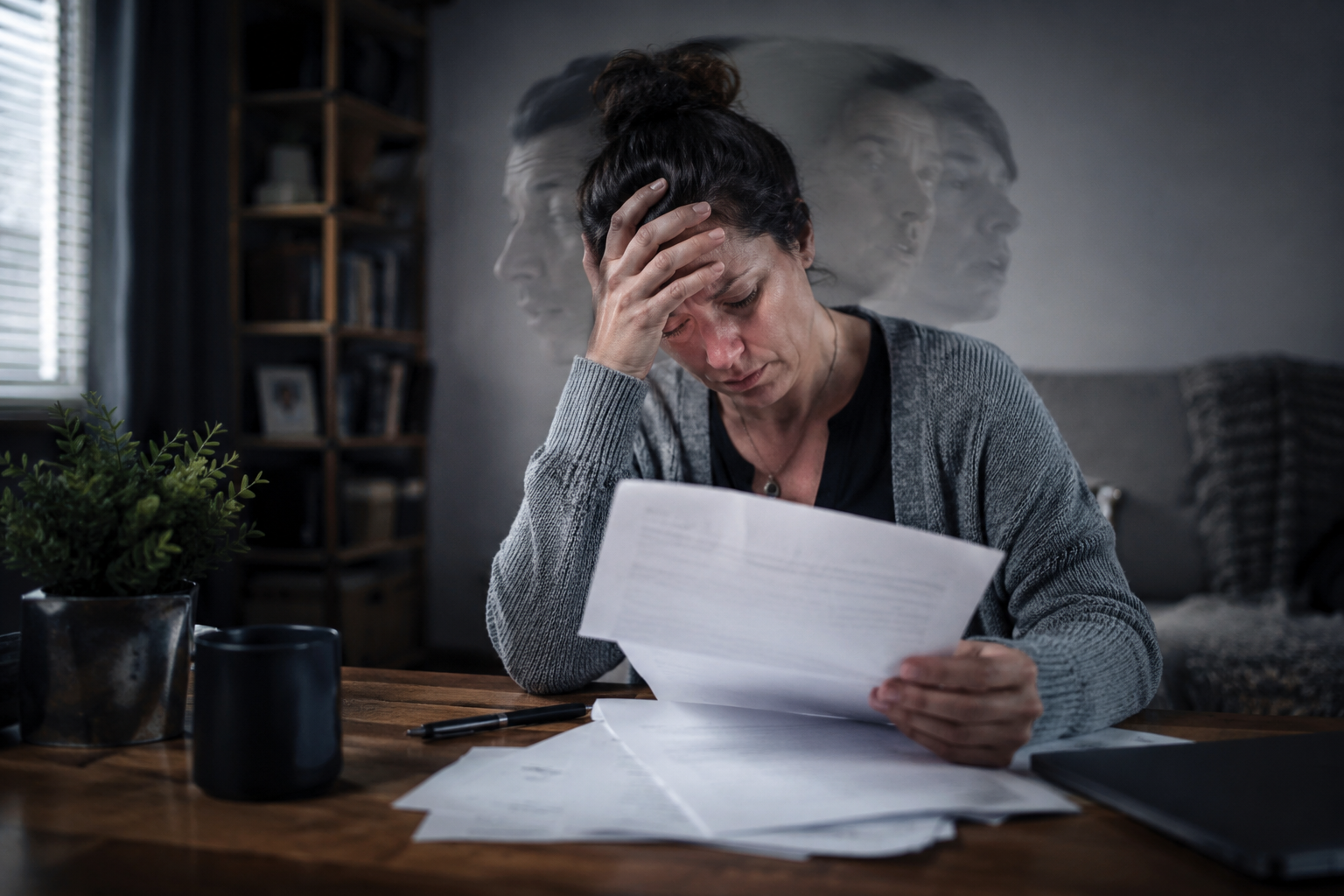
Living with a mental illness can make working feel impossible — and for many people, it genuinely is. In Florida alone, 2,889,000 adults have a mental health condition — that's more than 6 times the population of Miami. Among them, 648,000 adults live with serious mental illness that significantly disrupts major life activities, including the ability to maintain steady employment.
If your mental health condition prevents you from holding steady employment, Social Security Disability benefits may be an option worth exploring. The SSA recognizes a range of mental health conditions as qualifying disabilities, but approval is rarely straightforward. It's one of the main reasons people seek out disability lawyers in Orlando, Florida, to understand the process and avoid costly mistakes from the start.
Which Mental Health Conditions Does Social Security Disability Accept?
Mental illnesses can affect work, relationships, focus, and daily activities. According to a report from the National Center for Biotechnology Information (NCBI), mental health conditions are among the leading causes of disability worldwide and can seriously affect a person’s ability to work and manage daily life.
The Social Security Administration (SSA) accepts different mental health conditions for disability benefits if they make it difficult for you to work or manage daily life.
Some common conditions include:
- Depression and Bipolar Disorder: These conditions can cause deep sadness, low energy, hopeless feelings, or major mood swings that make daily tasks difficult.
- Anxiety and OCD: Some people deal with constant worry, panic attacks, strong fears, or repeated thoughts and habits that are hard to control.
- Schizophrenia and Other Mental Disorders: These conditions may cause confusion, trouble thinking clearly, or seeing and hearing things that are not real.
- PTSD and Trauma Disorders: Stressful or traumatic experiences can lead to nightmares, flashbacks, fear, anxiety, and emotional distress.
- Autism Spectrum Disorder: People with autism may struggle with communication, social interaction, behavior, or changes in routine.
- Personality Disorders: Long-term emotional and behavior problems can make it hard to maintain relationships or work with others.
- Intellectual Disabilities: These conditions affect learning, understanding, problem-solving, and everyday life skills from a young age.
- Brain-Related Disorders: Brain injuries or similar conditions can lead to memory loss, trouble focusing, or difficulty making decisions.
- Somatic Symptom Disorders: Mental health problems can sometimes cause ongoing physical symptoms that affect daily life and create stress.
How Does Social Security Judge How Severe Your Condition Is?
The SSA doesn't just look at your diagnosis. They want to know how your mental illness affects your everyday functioning.
They check four main areas of your life:
- Understanding and memory: Can you learn new things? Can you remember instructions? Can you make simple decisions?
- Social interaction: Can you get along with others? Can you handle criticism? Can you work with supervisors or coworkers?
- Concentration: Can you stay focused on tasks? Can you work at a consistent pace? Can you finish what you start?
- Managing yourself: Can you handle stress? Can you adapt to changes? Can you control your emotions and behavior?
To qualify, you need to show "marked" problems in at least two of these areas. Or you need an "extreme" problem in just one area.
"Marked" means serious difficulty that interferes with your ability to function. "Extreme" means you can barely function at all in that area.
What Proof Do You Need to Show Your Mental Illness?
This is where many people struggle. The SSA won't just take your word for it. They need solid medical evidence.
You Need Regular Treatment Records:
- Psychiatrist or psychologist visits (ongoing, not just one or two appointments)
- Therapy or counseling session notes
- Hospital records if you've been admitted
- Medication history and how well treatments are working
Your Doctor's Detailed Opinion:
Ask your mental health provider to fill out a Residual Functional Capacity (RFC) form. This explains exactly what you can and cannot do because of your condition.
Supporting Evidence From Daily Life:
- Keep notes about your bad days and what you struggled with
- Ask family members or friends to write statements about what they've observed
- Former employers can provide information about work problems you experienced
| The biggest mistake is inconsistent treatment. If you only see a doctor once or twice a year, the SSA will think your condition isn't that serious. Regular care shows your mental illness is a genuine barrier to working. |
Why Do Mental Health Claims Get Denied?
Mental health disability claims are denied more often than physical disability claims. About 60% to 70% of applications are rejected on the first review.
Here are the main reasons this happens:
- Gaps in treatment: If you don’t visit your doctor regularly or if there are missing medical records, it may look like your condition is not serious or is under control.
- Not following treatment: If you stop taking medicine or going to therapy without a strong medical reason, the SSA may think your condition is not as severe.
- Drug or alcohol use: If substance use is involved, the SSA checks whether your disability would still affect you without it.
- Able to do other work: Even if you cannot do your old job, the SSA may decide you can still do easier or less stressful work.
What Happens During the Appeals Process?
If your Social Security Disability claim gets denied, you still have the right to appeal. Many people are approved during the later stages of the process.
Here’s how the appeals process usually works:
-
Reconsideration
This is the first appeal step. A different examiner reviews your application and medical records again. You usually have 60 days to file the appeal after receiving a denial notice.
-
Hearing With a Judge
If your claim is denied again, you can request a hearing with an Administrative Law Judge. This is one of the most important stages in the process.
During the hearing, the judge may ask questions about:
- Your mental health condition
- Your daily struggles
- Your work limitations
- How your condition affects your life
The hearing may take place in person or via video call.
-
Getting Legal Help
Many people choose to work with a Social Security Disability lawyer during the appeals process. A lawyer can help organize medical records, explain your condition clearly, and present stronger evidence for your case.
Firms like Nationwide Disability Representatives help individuals understand the disability claims process and guide them through the application, denial, and appeal processes.
-
Further Appeals
If needed, you can continue appealing your case through the Appeals Council or federal court. However, many cases are resolved before reaching those stages.
Final Thoughts
Mental illness is real, and it can be just as disabling as any physical condition. If your depression, anxiety, PTSD, or other mental health condition makes it impossible to work, support is available.
Getting approved requires strong medical documentation and understanding what the SSA looks for. Thousands of people with mental illnesses receive Social Security Disability benefits every year.
The process isn't easy, but you don't have to navigate it alone. Whether you're in Orlando, elsewhere in Florida, or anywhere nationwide, resources and experienced disability representatives are available to help guide you through each step.
Your mental health matters. Your struggle is valid. And help is within reach.