Modern surgery has undergone a remarkable transformation over the past few decades, shifting from large incisions and prolonged recovery periods to minimally invasive procedures that prioritize patient comfort and surgical precision. At the center of this evolution are laparoscopic instruments, which have redefined how surgeons perform complex procedures with greater control and confidence.
Today, a complete laparoscopic instrument set is considered an essential part of operating rooms, enabling healthcare professionals to achieve consistent clinical outcomes while minimizing trauma, blood loss, and recovery time. As healthcare technology continues to advance, laparoscopic instruments have become more sophisticated, combining precision engineering with ergonomic design to meet the growing demands of surgeons and healthcare institutions worldwide. Their evolution reflects a broader commitment to improving patient safety, operational efficiency, and long-term clinical success.
The Beginning of Minimally Invasive Surgery
The concept of minimally invasive surgery emerged as healthcare professionals sought alternatives to conventional open procedures. Early laparoscopic techniques relied on basic visualization tools and manually operated instruments. While revolutionary for their time, these early devices had limitations in terms of visibility, maneuverability, and precision.
Continuous innovation in optics, imaging systems, and instrument manufacturing changed the landscape. High-definition cameras, improved illumination, and refined surgical tools allowed surgeons to perform increasingly complex procedures through small incisions. This advancement significantly reduced post-operative pain, shortened hospital stays, and accelerated patient recovery, making laparoscopic surgery the preferred approach for many specialties.
How Laparoscopic Instruments Have Evolved
Today's laparoscopic instruments are designed with exceptional attention to detail, ensuring reliable performance throughout demanding surgical procedures. Modern manufacturing techniques have enhanced every aspect of instrument quality, from material selection to surface finishing.
These advancements ensure that healthcare professionals can depend on their instruments across multiple surgical disciplines. Some of the most significant improvements include:
- Superior stainless steel construction for durability and corrosion resistance.
- Ergonomic handles that reduce surgeon fatigue during lengthy procedures.
- Precision-engineered jaws for improved tissue handling.
- Better insulation to enhance patient safety.
- Enhanced locking mechanisms for consistent control.
- Instruments capable of repeated sterilization without compromising performance.
Precision That Supports Better Clinical Outcomes
Every movement inside the human body requires accuracy. Even the slightest variation in instrument performance can influence surgical efficiency and patient outcomes. This is why precision engineering has become a defining characteristic of modern laparoscopic instruments. Manufacturers now utilize advanced machining, polishing, and quality control processes to ensure each instrument delivers smooth operation, balanced handling, and reliable functionality.
Consistency in manufacturing helps surgeons perform delicate dissections, grasp tissues securely, and maintain precise control throughout procedures. Manufacturers committed to ISO-certified production and stringent quality standards further reinforce confidence in every instrument they produce.
The Importance of a Complete Surgical Solution
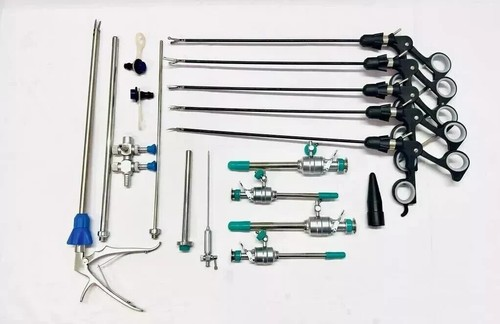
While individual instruments play specific roles, successful minimally invasive procedures depend on a coordinated system of complementary tools. A complete laparoscopic instruments set provides surgeons with all the essential components required for efficient surgical workflows.
Having a standardized instrument set improves operating room efficiency, reduces preparation time, and ensures that surgeons have immediate access to the tools required during every stage of a procedure. Typically, such sets may include:
- Trocars and cannulas
- Graspers
- Scissors
- Needle holders
- Dissectors
- Clip applicators
- Suction and irrigation instruments
- Electrosurgical accessories
Material Innovation and Long-Term Reliability
Material selection has become increasingly important in laparoscopic instrument manufacturing. High-grade stainless steel remains the preferred choice due to its excellent strength, corrosion resistance, and ability to withstand repeated sterilization cycles. Advanced finishing processes such as precision polishing and passivation help maintain smooth surfaces while improving resistance to wear and contamination.
These characteristics contribute to longer service life and dependable clinical performance, making quality instruments a valuable long-term investment for hospitals and surgical centers. Leading manufacturers also emphasize repeatable quality, consistent finishing, and sterilization-ready construction to support demanding operating room environments.
Technology Continues to Shape the Future
The evolution of laparoscopic surgery continues with the integration of emerging technologies. Three-dimensional imaging, high-definition visualization, energy devices, and robotic-assisted systems are expanding the possibilities of minimally invasive procedures.
Although technology enhances surgical capabilities, the quality of the instruments themselves remains fundamental. Surgeons still rely on responsive, durable, and precisely manufactured instruments that provide tactile feedback and dependable performance during every procedure.
Manufacturers are increasingly investing in research, quality assurance, and manufacturing innovation to ensure their products meet evolving clinical expectations while complying with international quality standards.
Choosing Quality Matters
Healthcare providers today evaluate laparoscopic instruments based on far more than price alone. Reliability, precision, durability, certification, and manufacturing consistency all influence purchasing decisions. Selecting trusted manufacturers helps hospitals maintain clinical excellence while ensuring dependable instrument performance across thousands of procedures.
Key considerations include:
- International quality certifications.
- Consistent manufacturing standards.
- High-grade materials.
- Smooth instrument articulation.
- Long operational lifespan.
- Reliable after-sales support.
- Export-ready quality assurance.
Supporting Better Surgical Care Worldwide
The growing adoption of minimally invasive surgery has created global demand for high-quality laparoscopic instruments. Hospitals, distributors, and procurement teams increasingly seek manufacturers capable of delivering consistent quality, reliable supply chains, and internationally compliant products.
For healthcare providers, investing in precision-engineered instruments is ultimately an investment in patient care. Better instruments contribute to smoother procedures, improved surgeon confidence, and enhanced surgical outcomes that benefit both medical professionals and patients alike.
As digital procurement becomes increasingly common, many healthcare buyers also prefer sourcing Laparoscopic instruments online through trusted manufacturers that provide detailed product information, certifications, and responsive customer support. This approach streamlines purchasing while ensuring access to dependable surgical solutions.
Conclusion
The evolution of laparoscopic instruments represents one of the most significant advancements in modern surgical care. From basic visualization devices to today's precision-engineered solutions, these instruments continue to improve surgical accuracy, patient safety, and healthcare efficiency. As innovation accelerates, choosing quality instruments and trusted suppliers becomes even more important. Hospitals and procurement teams increasingly explore Laparoscopic instruments online to access certified products that meet international standards while supporting consistent clinical performance.
A commitment to quality is equally reflected in the manufacturers behind these instruments. Salwan Surgicare has established itself as a trusted laparoscopic instruments manufacturer in India, delivering high-quality, long-lasting surgical solutions for hospitals, distributors, and healthcare professionals worldwide. They emphasize precision manufacturing, international quality standards, reliable performance, and enduring partnerships built on consistency, durability, and customer confidence.