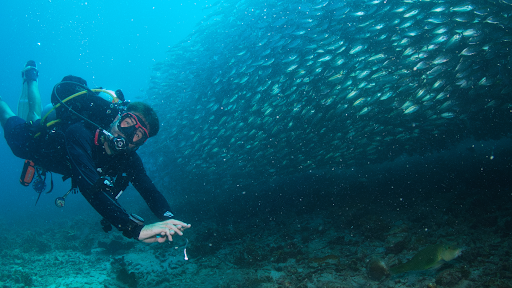
Koh Tao is one of the world's most popular destinations for learning to scuba dive. With warm tropical waters, numerous dive centres, and beginner-friendly dive sites, thousands of new divers complete their Open Water certification on the island each year.
But is a Koh Tao Open Water diving course really worth it for beginners?
For many people, the answer is yes. However, the value of the course depends on factors such as the quality of instruction, class size, course pace, weather conditions, and your commitment to learning. If you're looking for a recognised scuba diving certification rather than a one-time underwater experience, an Open Water course can be an excellent investment.
What Does an Open Water Course Include?
The Open Water course teaches the essential knowledge and practical skills needed to become a certified recreational diver.
Most courses include:
- Online or classroom theory lessons
- Confined-water or pool training
- Four open-water dives
- Equipment rental
- Internationally recognised certification upon successful completion
During the course, students learn:
- How pressure affects the body underwater
- Safe use of scuba equipment
- Air monitoring
- Dive planning
- Mask clearing
- Regulator recovery
- Buoyancy control
- Safe ascents and descents
- Basic emergency procedures
Many Open Water courses are completed over four days, giving students time to gradually develop confidence and practical skills.
Beginner-Friendly Diving Conditions
One reason many people choose Koh Tao for their certification is its beginner-friendly environment.
The island has several sheltered bays and shallow dive sites that are well suited to training dives. Warm water also makes spending longer periods in the water more comfortable for new divers.
That said, conditions are not always perfect.
Factors such as:
- Wind
- Rain
- Currents
- Boat traffic
- Seasonal weather
can affect dive conditions on any given day.
A responsible instructor will choose training sites based on the students' abilities and the day's conditions. If necessary, dives may be moved to a different location or postponed until conditions improve.
Do You Need to Be a Strong Swimmer?
You don't need to be a competitive swimmer to complete an Open Water course, but you should feel comfortable in the water.
Most certification agencies require students to complete:
- A 200-metre swim without swimming aids, or a 300-metre swim using a mask, snorkel, and fins
- A 10-minute float or tread-water test
If you cannot comfortably meet these requirements, it's better to improve your swimming ability before starting the course.
Being honest about your confidence in the water helps create a safer learning environment for both you and your instructor.
Medical Fitness Matters
Before training begins, every student completes a medical questionnaire.
Certain medical conditions, symptoms, or medications may require approval from a doctor before scuba diving.
Examples include:
- Asthma
- Heart conditions
- Lung problems
- Pregnancy
- Recent surgery
- Ear conditions
- Fainting episodes
- Certain prescription medications
Medical screening is an important safety measure that helps identify potential risks associated with breathing compressed air and diving under pressure.
Always answer the questionnaire honestly.
Why Course Pace and Group Size Matter
Although many Open Water courses are completed in four days, every student learns at a different pace.
Some beginners need extra time to develop skills such as:
- Equalising ear pressure
- Clearing a flooded mask
- Controlling buoyancy
- Breathing comfortably underwater
These challenges are completely normal and should never be rushed.
Smaller class sizes often allow instructors to provide more individual feedback and extra practice when needed.
A good diving course prioritises skill development over completing the course as quickly as possible.
Understand What's Included Before Booking
Not every Open Water course includes the same services. Before booking, ask whether the course price covers:
- Study materials
- Equipment rental
- Pool or confined-water training
- Open-water dives
- Certification fees
- Boat trips
- Refreshments
You should also ask about:
- Dive insurance
- Accommodation
- Transportation
- Cancellation policies
- Underwater photographs or videos
Comparing what's included helps you understand the overall value of the course rather than focusing only on the advertised price.
Open Water Course vs. Try Dive
Many beginners wonder whether they should choose a Try Dive or go straight to an Open Water course.
A Try Dive is designed for people who simply want to experience scuba diving under direct instructor supervision. It provides a basic introduction but does not result in certification.
An Open Water course involves more theory, more practical training, and multiple open-water dives. After successful completion, certified divers can participate in recreational dives within the limits of their certification.
If you're unsure whether scuba diving is right for you, a Try Dive can be a good first step. However, if you already know that you'd like to dive during future holidays, completing an Open Water course usually provides greater long-term value.
What Can You Do After Certification?
Completing your Open Water course doesn't mean you can dive anywhere under any conditions.
Newly certified divers should continue diving within:
- Their certification limits
- Their personal comfort level
- Suitable weather and sea conditions
In unfamiliar environments, diving with a guide is often recommended.
Divers should also avoid:
- Strong currents
- Poor visibility
- Overhead environments
- Depths beyond their certification
Like any skill, scuba diving improves with regular practice. If you haven't dived for a long time, completing a refresher course before returning to the water is often a sensible decision.
Conclusion
For many beginners, an Open Water diving course in Koh Tao offers excellent value. The island's warm waters, beginner-friendly dive sites, and wide choice of training providers make it a popular place to earn a first scuba certification.
However, the best course isn't always the cheapest or the fastest. Before booking, compare different dive centres, ask about instructor experience, group sizes, safety procedures, and what's included in the course. Choosing a programme that gives you enough time to practise, ask questions, and build confidence will help you become a safer and more capable diver.
While earning the certification is an important milestone, developing the skills to dive safely and comfortably is what makes the course truly worthwhile.